
Should I Roll My Lawn?
From time to time, we will get requests to roll a lawn. Most often, people want their lawn rolled because it is uneven and they want to level it out.
In most cases, you should not roll your lawn. While it may seem like an easy way to flatten a bumpy yard, rolling actually compacts the soil, restricts root growth, and can create long-term drainage problems. In short, it often causes more harm than good.
Why Rolling Your Lawn Is Bad for Your Grass
Many homeowners consider rolling when their lawn feels uneven, lumpy, or bumpy. The logic is simple: flatten the high spots to create a smoother surface.
Unfortunately, lawn rolling doesn’t work the way most people expect.
Does Rolling Actually Flatten a Lawn?
What rolling will do is compact the soil in the root zone. This is bad for your grass and the root zone.
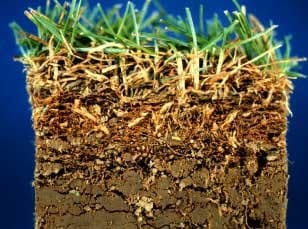
A standard lawn roller only impacts the top half-inch of soil, which means:
- It doesn’t fix deeper uneven areas
- It doesn’t fill in low spots
- Results are often temporary and cosmetic
Rolling may seem harmless, but it can negatively impact your lawn’s health in several important ways:
Soil Compaction
- Rolling compresses the soil, reducing the space needed for air and water to circulate.
Restricted Root Growth
- Grass roots struggle to grow and spread in compacted soil, limiting access to nutrients.
Drainage Issues
- Compacted soil makes it harder for water to soak in, often leading to puddling or standing water.
Seasonal Damage
- Rolling in the spring—when your lawn is recovering from winter—can stress or damage fragile grass.
Rolling the lawn, especially in the spring when grass is just beginning lawn recovery after a long winter, can also harm the grass.
What to Do Instead: Lawn Aeration
If your goal is a healthier, more even lawn, aeration is the better solution.
Aeration is the process of pulling small plugs of soil out of the lawn to:
- Loosen compacted ground
- Improve airflow and water absorption
- Encourage deeper, stronger root growth
Unlike rolling, aeration relieves compaction instead of creating it.
Each year we do hundreds of aerations (usually with over-seeding). This process does the opposite of what rolling will do.
How to Fix a Bumpy Lawn the Right Way
To address uneven areas effectively, focus on long-term solutions:
- Core Aeration – Loosens soil and improves overall lawn health
- Overseeding – Helps fill in thin or patchy areas
- Natural Settling – Healthy soil will gradually even out over time
- (Optional upgrade) Topdressing – Adding a thin layer of soil or compost can help level minor dips
These methods improve both the appearance and health of your lawn—without the downsides of rolling.
Does It Help to Roll a Lawn after Seeding?
Again, it seems to make sense that rolling your lawn after seeding would help the seed-soil contact (which is important).
Instead:
- Use a leaf rake to lightly work seed into the soil
- Make sure the seed remains visible on the surface
- Avoid burying or compacting the soil
Rolling after seeding can make it harder for new roots to establish, reducing germination success
Get a Healthier, Smoother Lawn
If your lawn is uneven, the solution isn’t to press it down—it’s to build it up the right way.
Professional aeration and overseeding services can help:
- Improve lawn health
- Reduce compaction
- Create a smoother, more uniform appearance over time